
Healthy Pantry Essentials: Everyday Staples for Better Cooking
A well-stocked pantry makes it easier to prepare satisfying meals, try new recipes, and make the most of fresh ingredients. You don’t need dozens of specialty products. A thoughtful selection of grains, beans, oils, seasonings, and other everyday staples can provide the foundation for countless dishes.
Healthy World Kitchen celebrates practical, flavorful cooking inspired by food traditions around the world. Here’s how to build a flexible pantry that works for your kitchen, budget, and favorite meals.
1. Whole Grains and Everyday Staples
Grains are useful building blocks for meals, side dishes, soups, and bowls. Consider keeping a selection of:
- Brown rice: A versatile base for bowls, curries, and stir-fries.
- Oats: Useful for breakfast porridge, overnight oats, and baking.
- Quinoa: Works well in salads, grain bowls, and side dishes.
- Whole-wheat pasta: A convenient option for quick meals.
- Barley or millet: Adds variety to soups, salads, and grain dishes.
Choose the grains you enjoy and will realistically use. Store them in dry, sealed containers and follow package guidance for shelf life.
2. Beans, Lentils, and Other Legumes
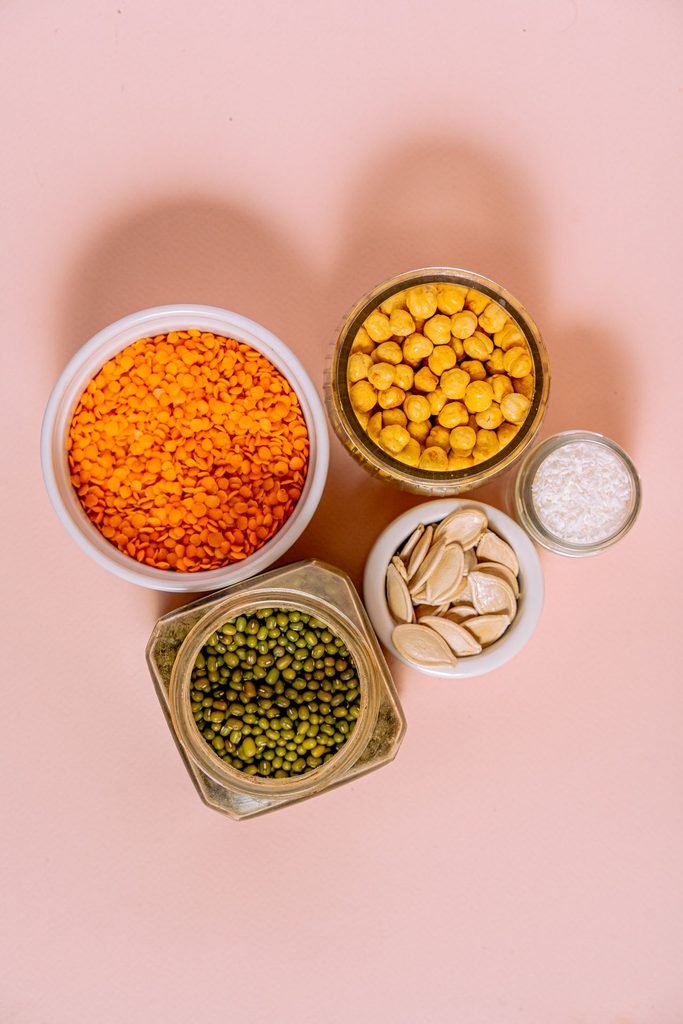
Beans and lentils are practical pantry staples used in cuisines across the world. They can form the basis of soups, stews, salads, curries, dips, and hearty vegetable dishes.
Useful choices include:
- Dried lentils for soups, dals, and curries.
- Chickpeas for hummus, salads, and roasted snacks.
- Black beans for bowls, stews, and wraps.
- Kidney beans for bean dishes and hearty sauces.
- Canned beans for convenient meals when time is limited.
If using canned varieties, check the ingredient list and sodium content. Rinsing and draining canned beans can reduce some of their sodium.
3. Nuts and Seeds
Nuts and seeds add texture and flavor to breakfasts, salads, snacks, and homemade sauces. Almonds, walnuts, peanuts, sesame seeds, chia seeds, flaxseeds, and pumpkin seeds are all versatile options.
Store them according to package directions. Refrigeration can help preserve freshness for some nuts and seeds, particularly in warm environments.
If you have a nut or seed allergy, avoid the relevant ingredients and check product labels for cross-contact warnings.
4. Cooking Oils and Flavorful Basics
A few useful oils can support different cooking methods and flavor profiles.
- Extra-virgin olive oil: Commonly used for dressings, dips, and many Mediterranean-inspired dishes.
- Canola or other neutral oils: Useful when a mild flavor is preferred.
- Sesame oil: Adds a distinctive aroma to some East Asian-inspired sauces and dishes; a little can go a long way.
Choose oils based on the dish, cooking temperature, personal preferences, and storage guidance. Keep them tightly closed and away from excessive heat and light.
5. Herbs, Spices, and Seasonings
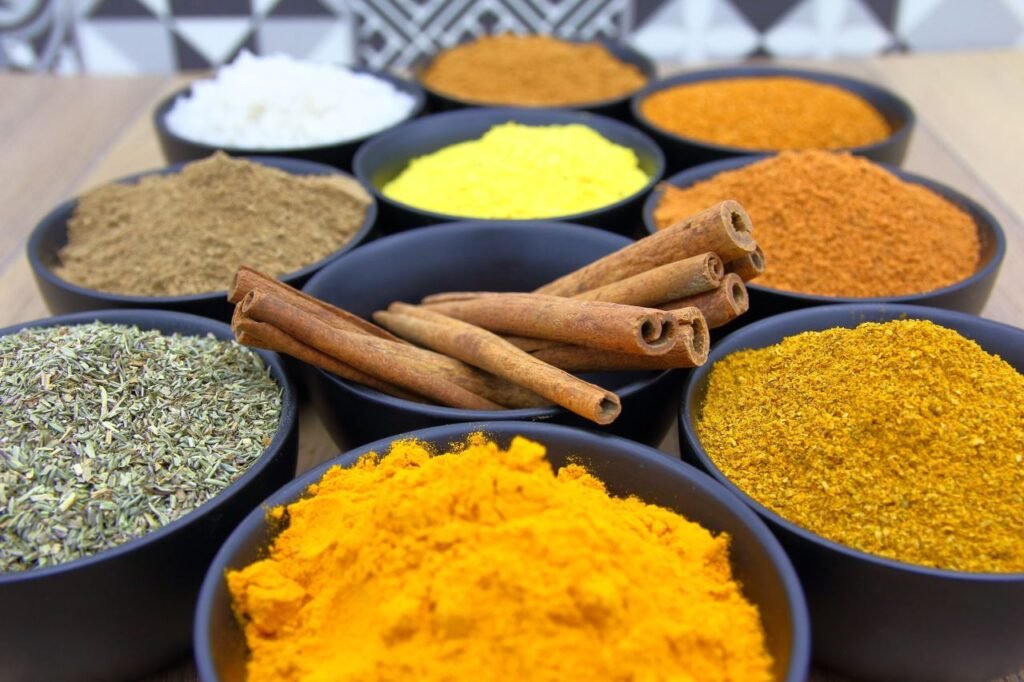
Seasonings are among the easiest ways to bring variety to everyday ingredients. A small collection can help you cook dishes with very different flavor profiles.
Consider starting with:
- Black pepper and paprika.
- Cumin and coriander.
- Turmeric and cinnamon.
- Dried oregano and thyme.
- Chili flakes or chili powder.
- Garlic powder and onion powder.
- Bay leaves and dried rosemary.
You can expand your collection as you explore new cuisines. Buy modest quantities of spices you use occasionally so they remain aromatic.
6. Flavor Builders for Quick Meals
A few additional ingredients can make simple meals more interesting:
- Vinegar: Useful for dressings, marinades, and balancing flavors.
- Mustard: Adds sharpness to dressings and sauces.
- Tomato paste and canned tomatoes: Convenient foundations for soups, stews, and sauces.
- Low-sodium broth: Useful when making soups, grains, and one-pot dishes.
- Soy sauce or tamari: Adds savory flavor to many Asian-inspired dishes; compare labels if sodium matters to you.
- Coconut milk: Useful in some curries, soups, and sauces.
Check labels for sodium, added sugars, allergens, and ingredients that matter to your household.
7. Convenient Ingredients for Busy Days
A practical pantry should support the way you actually cook. Canned tomatoes, quick-cooking grains, dried pasta, frozen vegetables, and shelf-stable legumes can help you assemble meals when fresh shopping isn’t possible.
Frozen produce can be a useful option, too. Choose plain varieties or compare sauces and seasoning mixes when you want more control over added salt or sugar.
8. How to Organize Your Pantry
A simple organization system can help reduce waste and make meal planning easier.
- Keep frequently used ingredients within easy reach.
- Store dry goods in clean, dry, tightly sealed containers.
- Label containers and note opening dates when useful.
- Place newer products behind older ones so older ingredients are used first.
- Check dates, packaging, and storage instructions regularly.
- Keep a short list of staples to replenish before they run out.
Don’t transfer ingredients into containers unless you can identify them clearly. Keep original package information available when needed for cooking instructions, allergens, or storage guidance.
9. Build a Pantry That Fits Your Cooking Style
Start with the foods you already enjoy. If you cook soups and stews, prioritize legumes, grains, canned tomatoes, and broth. If you make salads and bowls, keep grains, seeds, oils, and versatile seasonings on hand. If you love exploring world cuisines, gradually add ingredients that support the dishes you want to try.
A useful pantry is not about buying everything at once. It’s about having reliable ingredients that make good meals easier to prepare.
Explore More from Healthy World Kitchen
Ready to put your pantry to work?
- Browse Recipes by Meal for everyday cooking ideas.
- Discover World Kitchens for inspiration from global food traditions.
- Visit Kitchen Essentials to explore tools that make food preparation easier.