
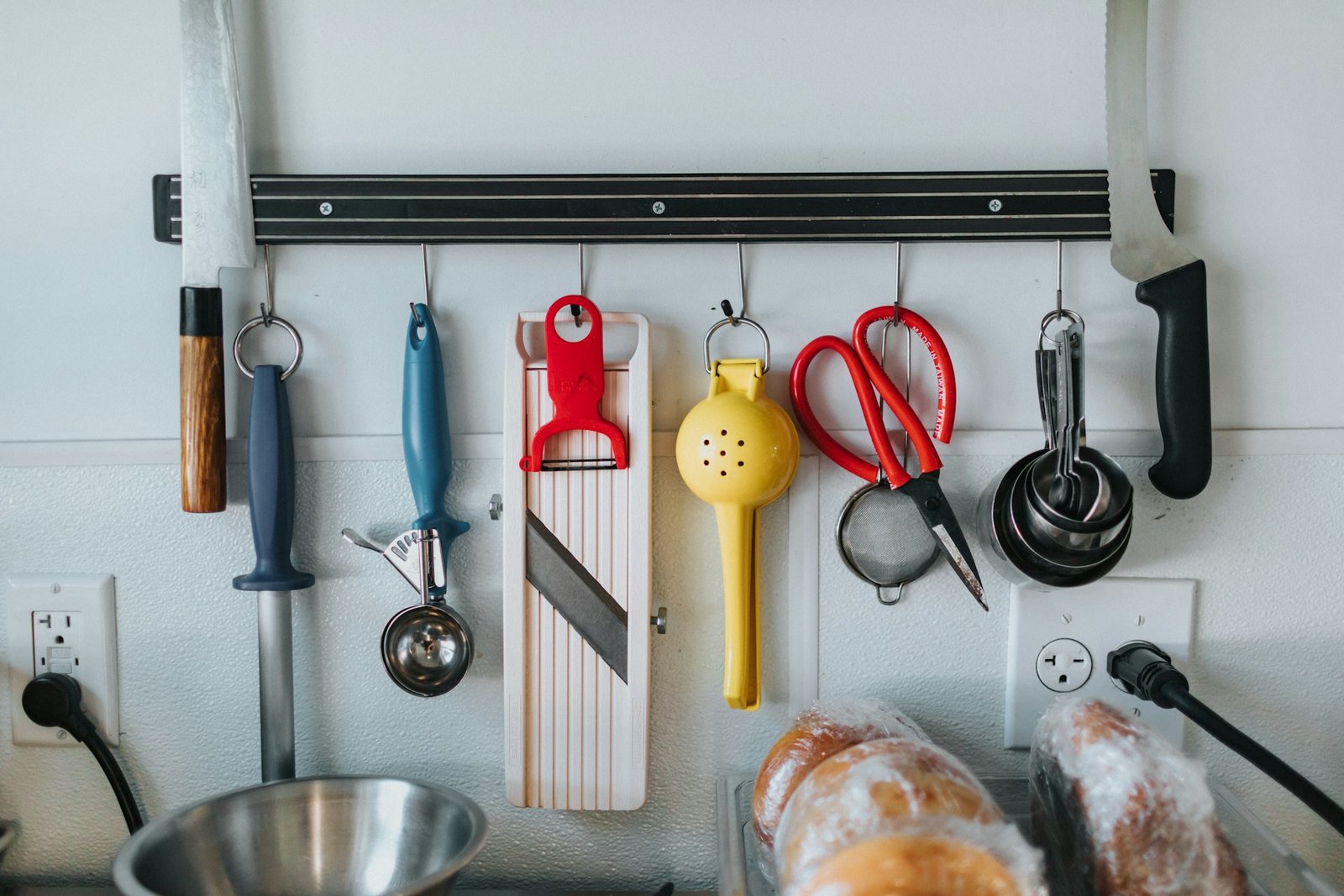
Kitchen Essentials for Healthy Cooking
Healthy cooking doesn’t require a kitchen full of expensive gadgets. A few dependable tools can make preparing fresh ingredients, cooking balanced meals, and trying recipes from around the world much easier.
At Healthy World Kitchen, we believe good food should be approachable and enjoyable. Whether you’re preparing a quick breakfast, simmering a comforting soup, or exploring a new cuisine, these kitchen essentials can help you cook with greater confidence.
1. A Good Chef’s Knife
A sharp, comfortable chef’s knife is one of the most useful tools in any kitchen. It makes chopping vegetables, slicing fruit, mincing garlic, and preparing fresh herbs easier and more consistent.
What to look for: Choose a knife that feels balanced in your hand, has a comfortable handle, and is easy to maintain. Keep it sharp and store it safely.
2. A Sturdy Cutting Board
A reliable cutting board protects your work surface and gives you room to prepare ingredients. Wood and plastic are common options; whichever you choose, clean it thoroughly and replace it when it becomes deeply scored or damaged.
Using separate boards for raw meat and ready-to-eat foods can help reduce cross-contamination.
3. Versatile Cookware
You don’t need a large collection of pots and pans. A medium saucepan, a larger pot for soups and grains, and a versatile skillet can cover many everyday cooking needs.
Choose cookware that suits your stove, cooking habits, and cleaning preferences. A well-fitting lid is particularly useful for simmering, steaming, and cooking grains.
4. Measuring Cups and Spoons
Measuring tools are helpful when following unfamiliar recipes, portioning ingredients, or getting consistent results with baking and sauces.
A kitchen scale is also useful for measuring ingredients by weight, especially grains, flour, and baking ingredients.
5. A Colander and Mixing Bowls
A colander makes rinsing produce, draining pasta, and washing beans or grains more convenient. A few mixing bowls help with preparing dressings, tossing salads, mixing ingredients, and organizing everything before cooking.
Choose bowls in different sizes that stack easily to save storage space.
6. A Reliable Thermometer
A food thermometer helps you check whether foods such as poultry, meat, fish, and leftovers have reached safe internal temperatures. It removes much of the guesswork from cooking and is particularly useful for beginners.
Follow current food-safety guidance for the specific food you’re preparing.
7. Tools for Everyday Healthy Cooking
A few additional tools can make routine tasks easier:
- Steamer basket: Useful for steaming vegetables and other ingredients.
- Fine grater: Helpful for citrus zest, ginger, garlic, and hard cheese.
- Tongs and a sturdy spatula: Useful for turning, stirring, and serving food.
- Microplane or garlic press: Optional conveniences if you use these ingredients frequently.
- Reusable food containers: Helpful for storing leftovers and preparing meals ahead of time.
Buy tools based on what you actually cook, rather than filling drawers with gadgets you rarely use.
8. Food Storage That Keeps Your Kitchen Organized
Clear, airtight containers make it easier to store leftovers, cooked grains, chopped ingredients, and pantry staples. Labeling containers with the contents and date can help you use food in a timely way.
Store perishable foods promptly in the refrigerator, and keep dry ingredients in clean, dry containers according to their storage needs.
How to Build Your Kitchen Without Overspending
Start with the basics: a good knife, a cutting board, a saucepan, a skillet, a pot, a colander, measuring tools, and a few storage containers. Add specialty equipment only when a recipe or cooking habit makes it worthwhile.
The best kitchen is not necessarily the one with the most equipment. It’s the one that helps you prepare food you enjoy, consistently and safely.
Explore More from Healthy World Kitchen
Now that your kitchen is ready, discover recipes inspired by kitchens around the world.
- Browse Recipes by Meal for ideas throughout the day.
- Explore World Kitchens for dishes inspired by different culinary traditions.
- Visit Health Goals for recipes organized around your everyday food preferences.